Rhinoplasty
Boca Raton, FL San Diego, CA


Boca Raton, FL San Diego, CA
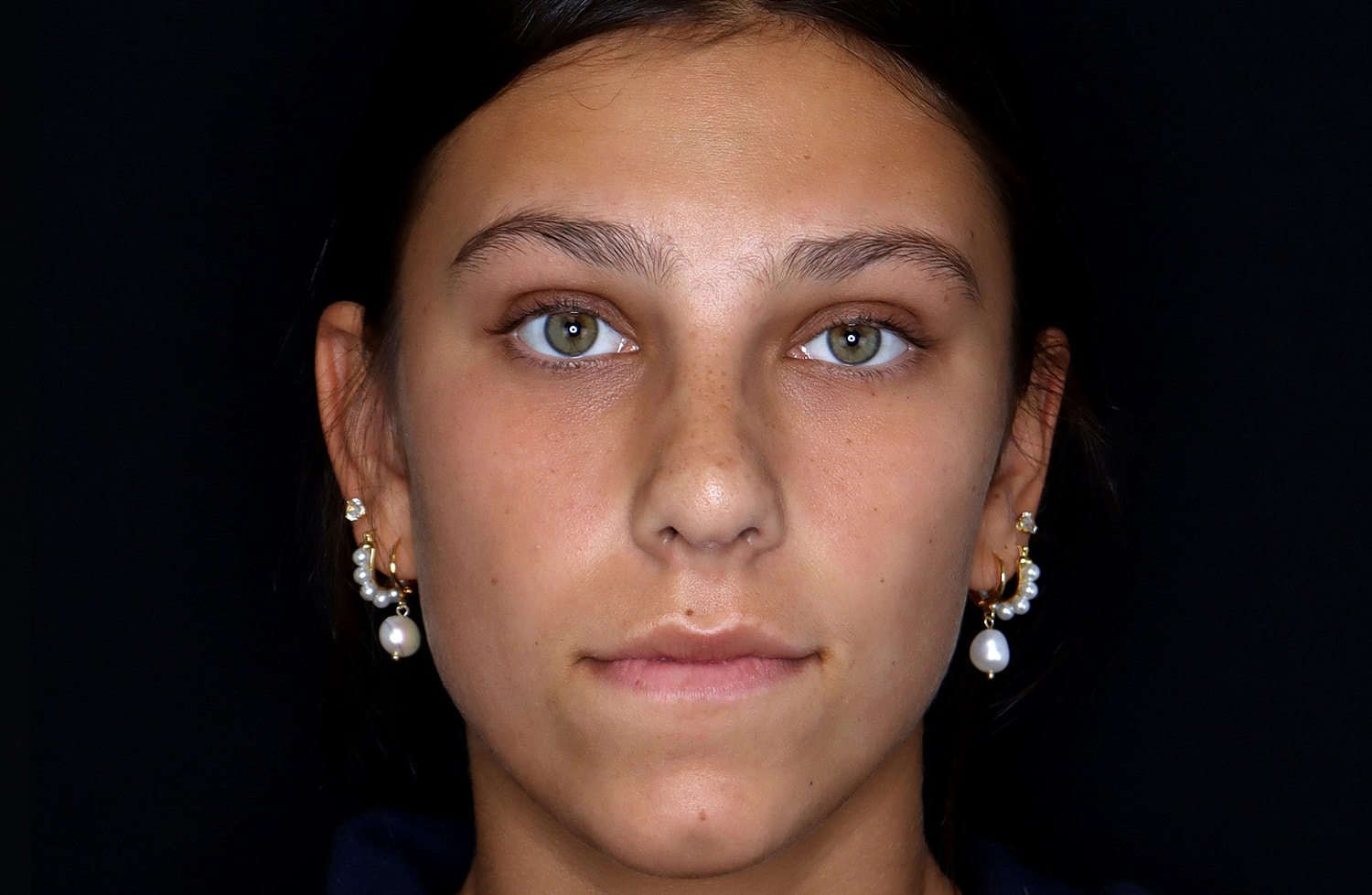
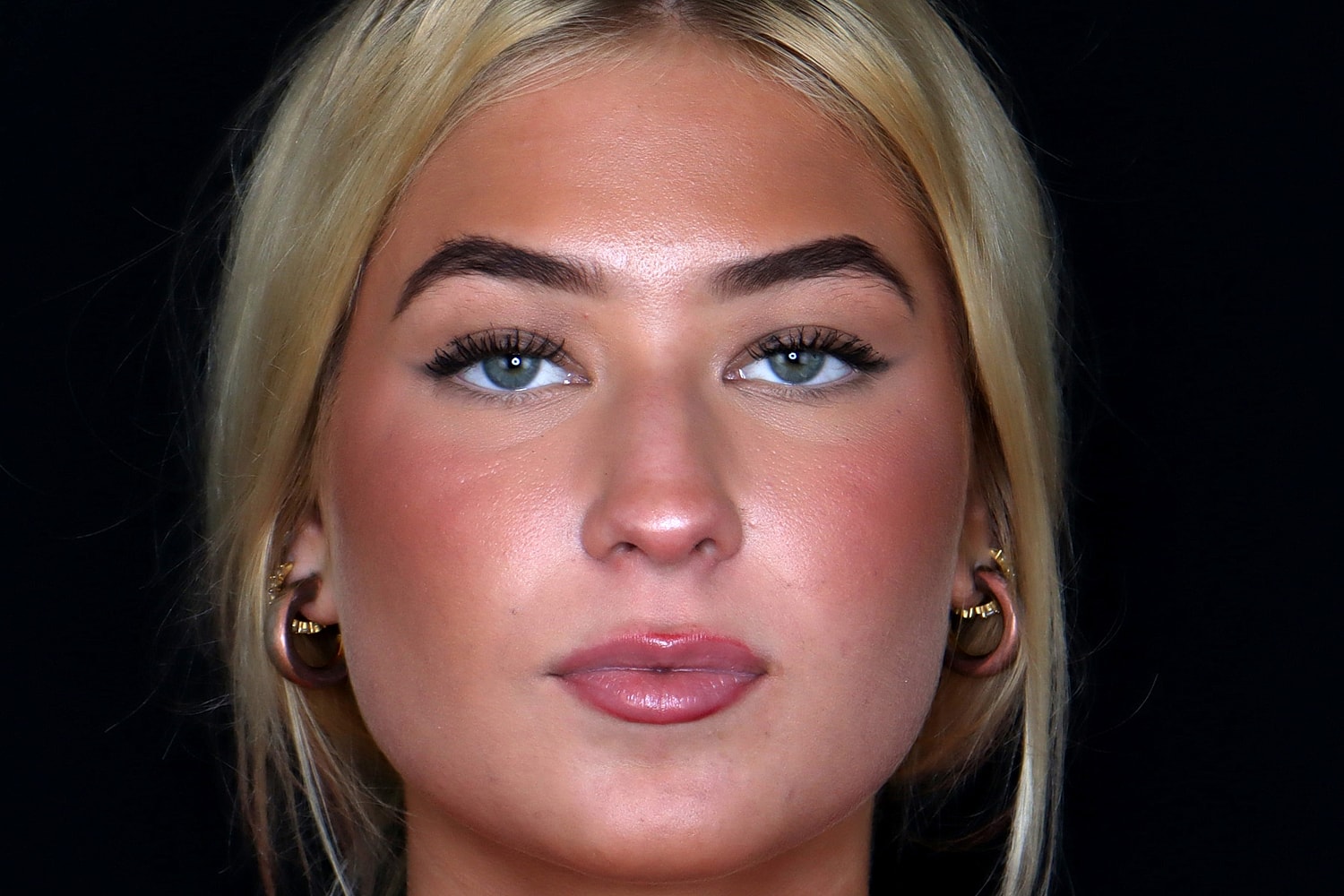
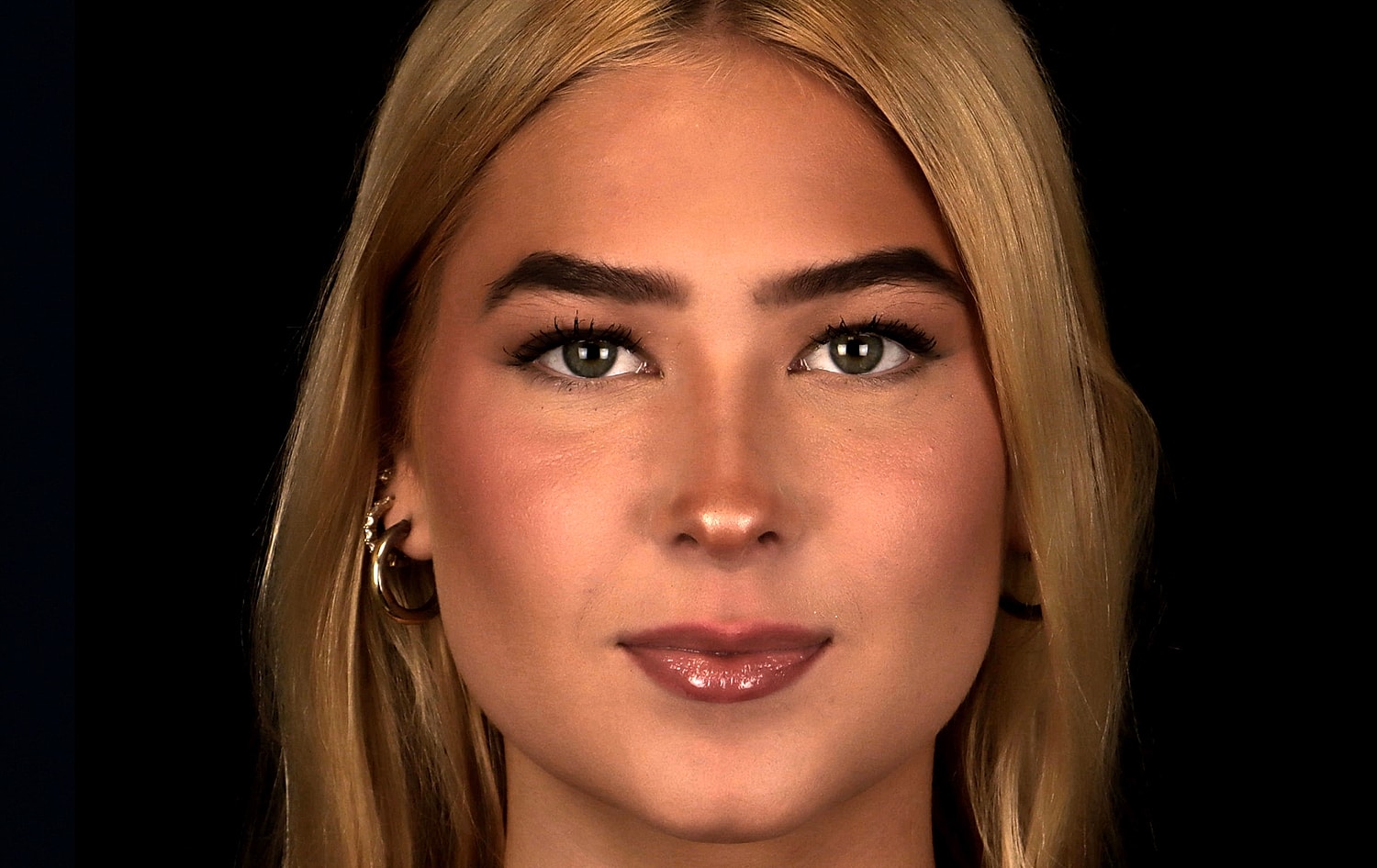
Many people who think about rhinoplasty have something specific they want to change, like a bump on the bridge or a nasal tip that seems too wide. Some are more focused on breathing problems caused by a deviated septum or other structural issues. For his Boca Raton and San Diego rhinoplasty patients, Dr. Landon S. Pryor considers both appearance and function. He plans each surgery to fit your facial features, nasal structure, and breathing needs, so your results look natural and feel right for you.
1 of 13
Purpose
Change the nose shape, improve breathing, or both
Procedure Time
Usually two to four hours
Anesthesia
Typically general anesthesia
Setting
Outpatient surgery
Initial Recovery
Most patients return to work within 7 to 10 days
Final Result
Continues taking shape for up to one year
Rhinoplasty is a surgery that changes the bone, cartilage, and tissues of the nose. It’s also known as nose reshaping surgery or a nose job. This procedure can improve how your nose looks, fix breathing problems, or address both at the same time.

Rhinoplasty can address:
Even small changes to the nose can make a big difference in facial balance. While perfect symmetry isn’t possible, rhinoplasty can help your nose fit better with your other features.
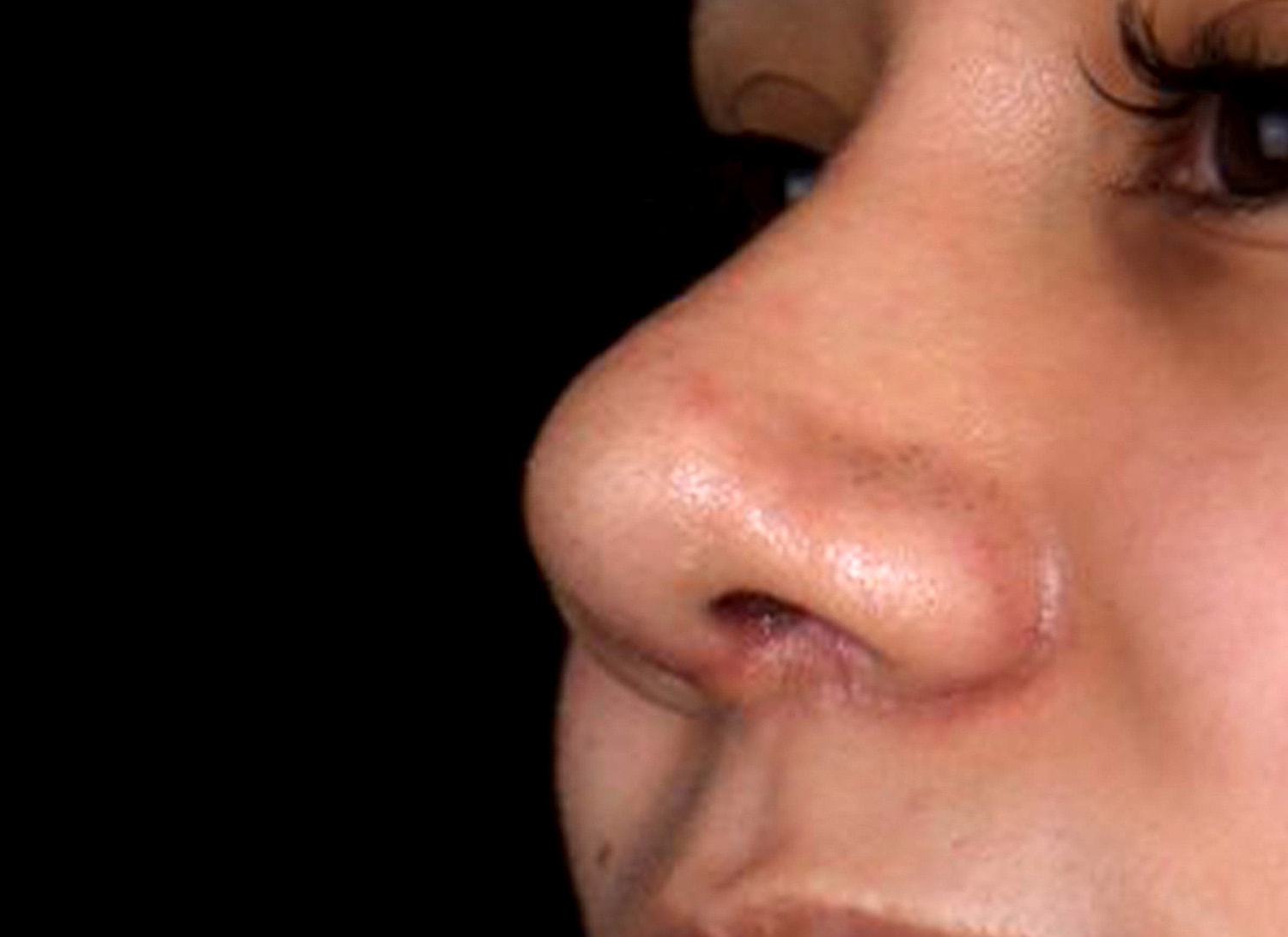
Cosmetic rhinoplasty is all about improving how your nose looks. Dr. Pryor might smooth the bridge, straighten a crooked nose, refine the tip, adjust the nostrils, or change the nose’s proportions. If only the tip needs work, a procedure called tiplasty focuses just on that area.
Functional rhinoplasty is done to help you breathe better. The surgery can fix problems with the septum, nasal valves, or weak cartilage. Many people have both breathing and appearance concerns, and these can often be treated at the same time.
Septoplasty specifically straightens the septum between the two nasal passages. When septoplasty and cosmetic nose reshaping are combined, the operation may be called septorhinoplasty.
Revision rhinoplasty is for people who still have concerns after a previous nose surgery. Because of scar tissue and changes to the cartilage, these surgeries can be more complex. Sometimes, cartilage from the septum, ear, or rib is needed to rebuild support and improve the nose’s shape.
Nonsurgical rhinoplasty uses filler to hide small bumps, dips, or slight unevenness. It can’t make the nose smaller or fix breathing issues, since filler only adds volume. The results don’t last forever, and it’s important to have an experienced injector who understands the nose’s blood supply.


Open rhinoplasty involves incisions inside the nostrils and a small incision under the nasal tip. This gives Dr. Pryor a full view of the framework and room to complete more extensive reshaping or grafting. The external incision usually heals as a fine line beneath the nose.
Closed rhinoplasty involves making cuts only inside the nostrils, so there’s no visible scar. However, this method gives less access to the nose’s structure. Dr. Pryor will choose the best approach for you, since both techniques are useful in facial plastic surgery.
Rhinoplasty is highly individualized. During your consultation, Dr. Pryor examines the bridge and nasal tip, nostrils, skin thickness, cartilage, septum, and airway. He also looks at your profile as a whole. Chin projection and other facial proportions can change how large or prominent the nose appears.
Photographs and advanced imaging help you and Dr. Pryor discuss the changes you want. These tools make it easier to agree on a plan, though they can’t show the exact final result. Your background and the features you want to keep are also important. The goal is a natural look that still feels like you.

Rhinoplasty is usually performed under general anesthesia at an outpatient surgery center. Local anesthesia with sedation may be considered for a small refinement, but it isn’t typically used for full rhinoplasty surgery.
Dr. Pryor uses either an open or closed method to access the nose’s structure, then reshapes or moves the bone and cartilage as needed. He might smooth the bridge, adjust the tip or nostrils, straighten the septum, or strengthen a weak nasal valve. A small splint on the outside of your nose protects it during the first week.
Depending on the reason for surgery, rhinoplasty may:
You’re a good candidate for rhinoplasty if your face has finished growing, you’re healthy enough for surgery, and your expectations are realistic. It helps to know what you’d like to change, but you don’t need to know the exact procedure. You and Dr. Pryor will figure that out together.
Nicotine can slow down healing and affect blood flow, so you’ll need to stop using it as advised. Younger patients should be mature enough to make this decision and want surgery for themselves.
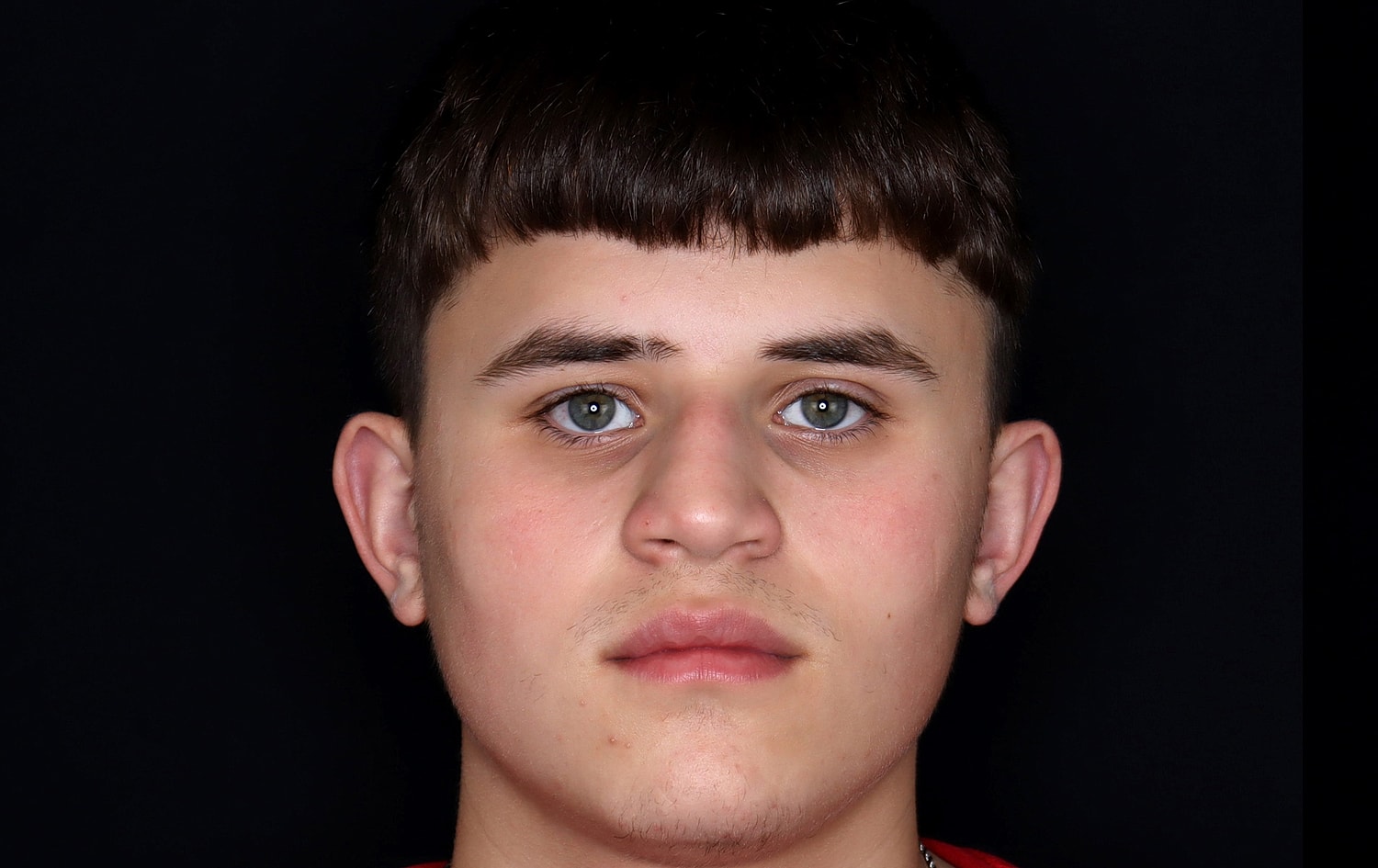
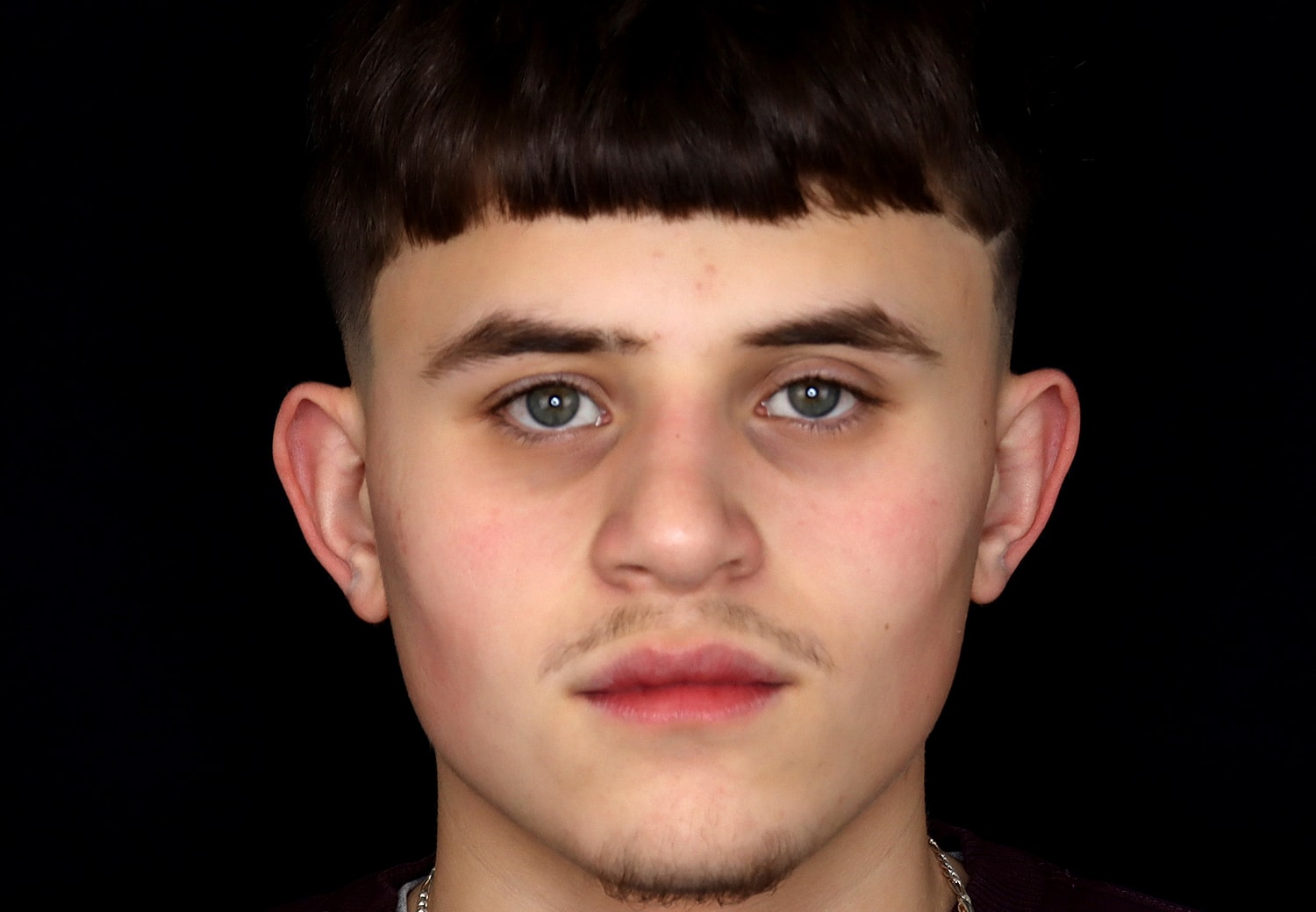
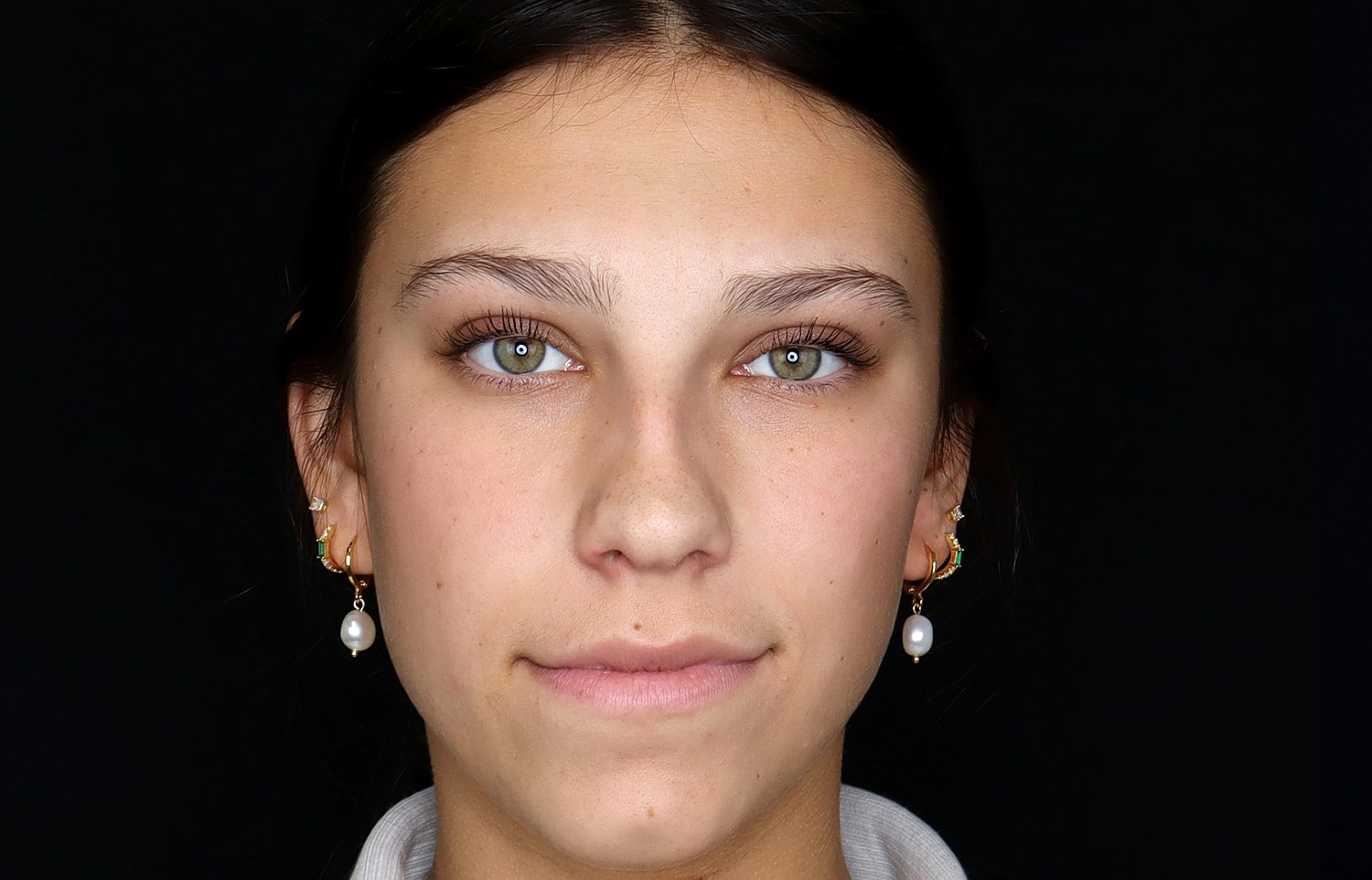
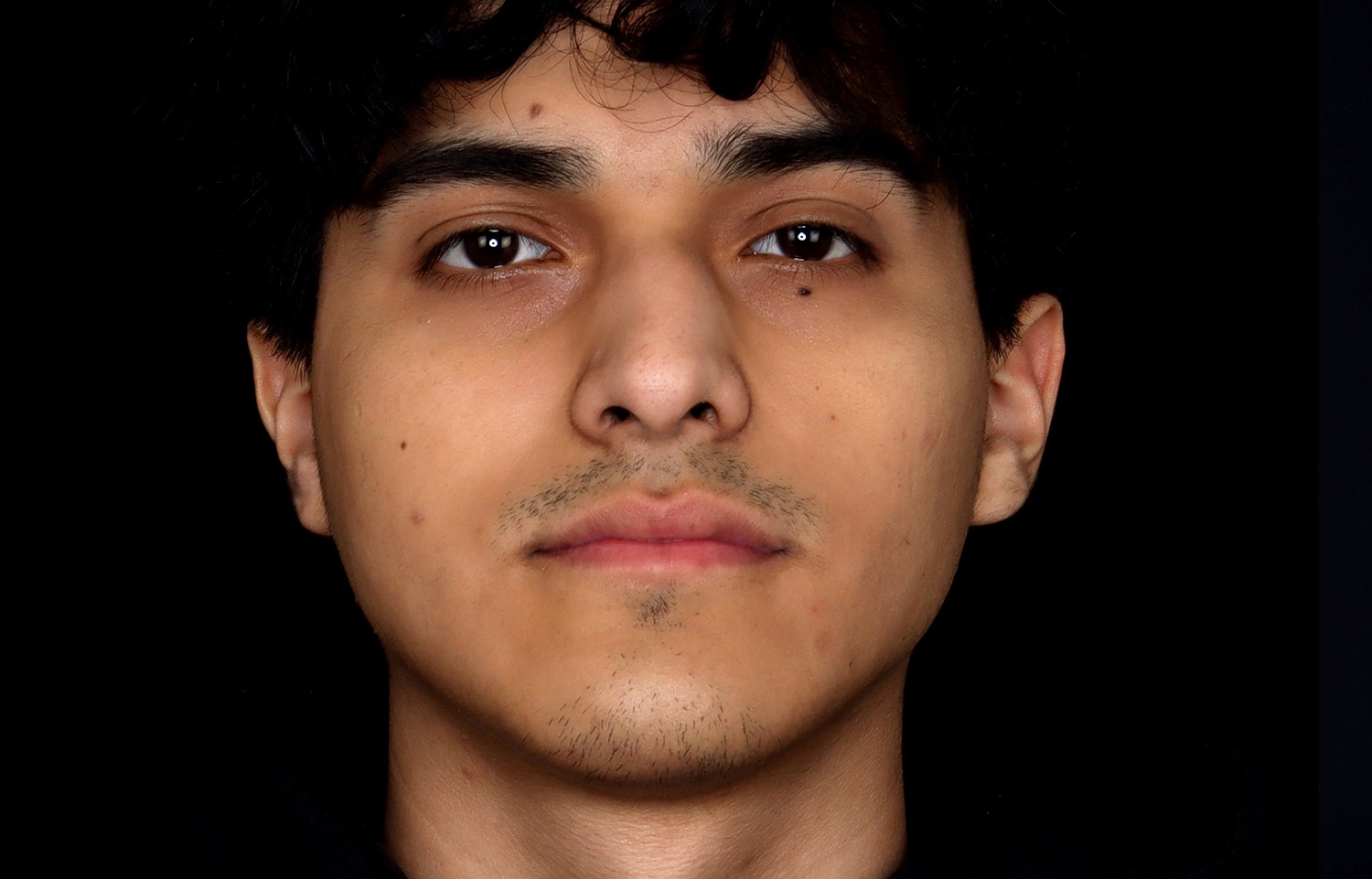
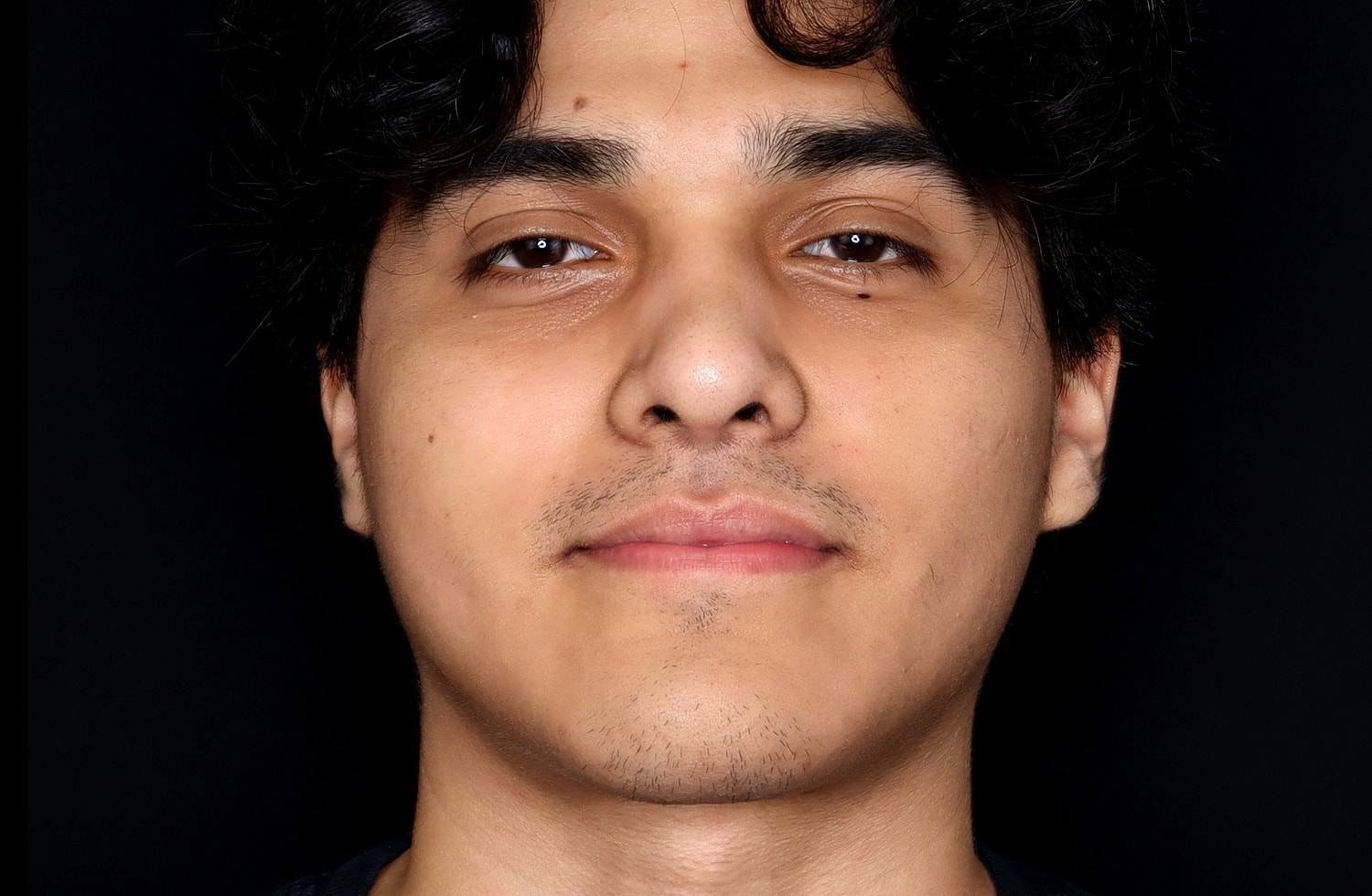
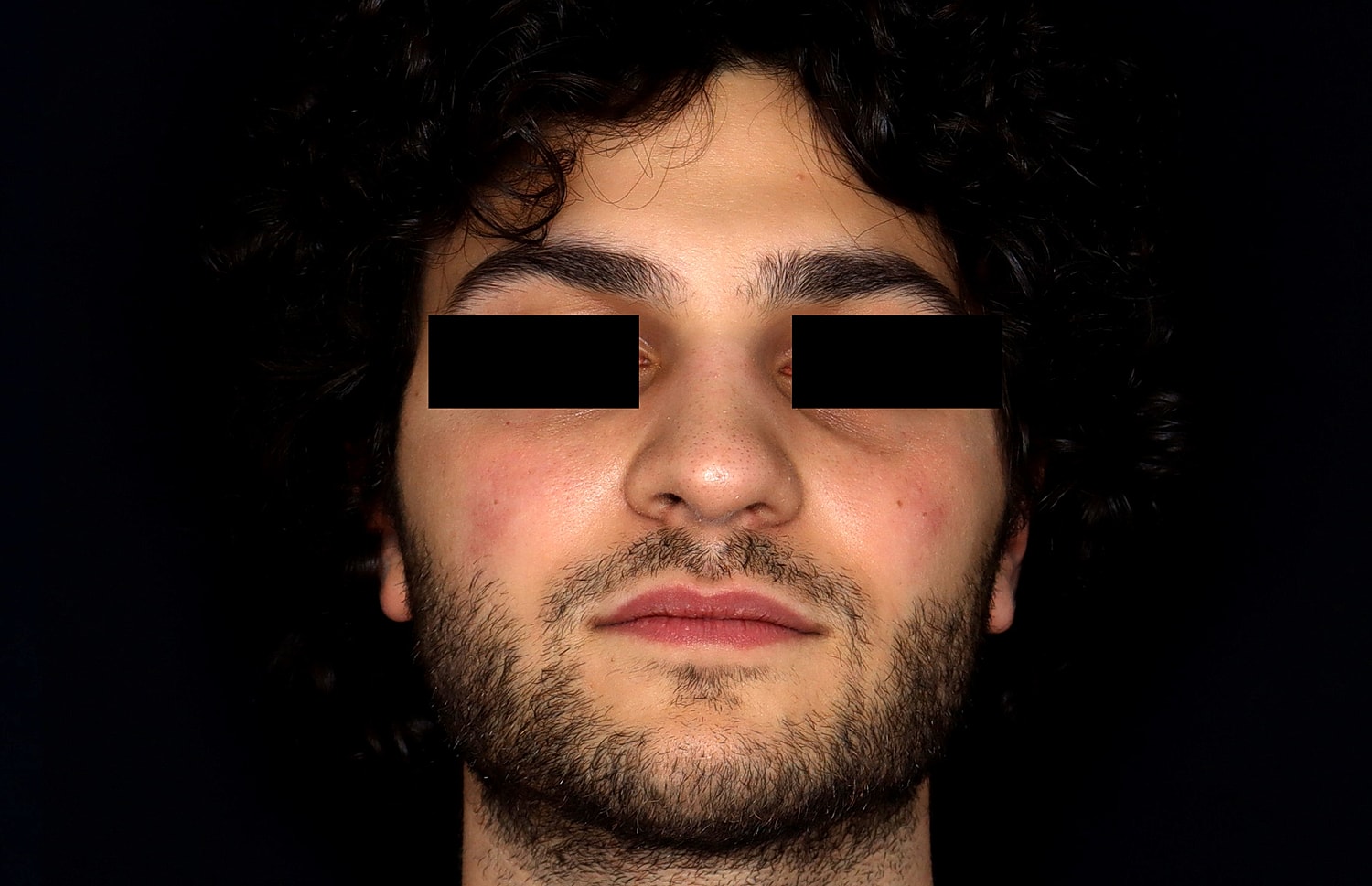
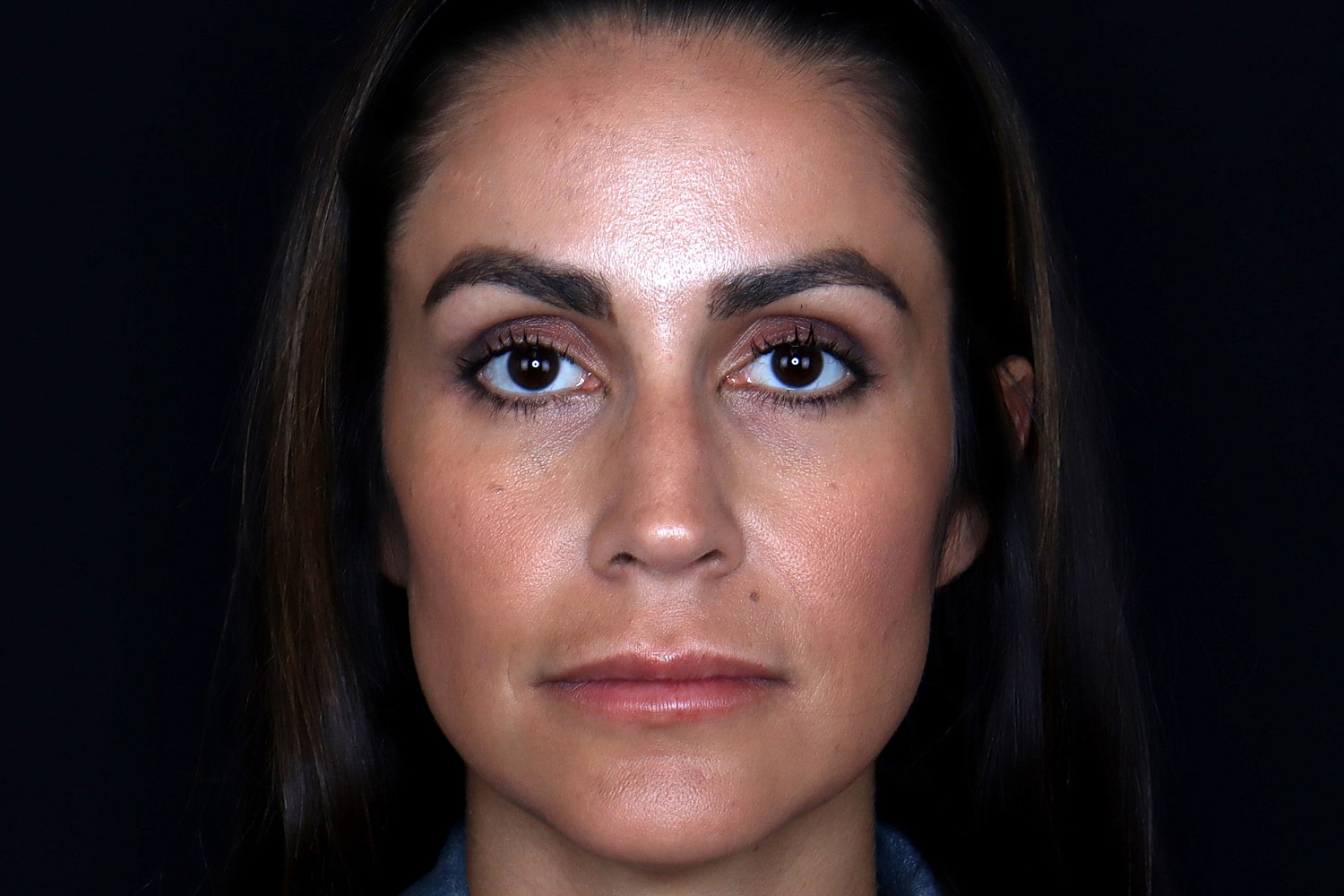
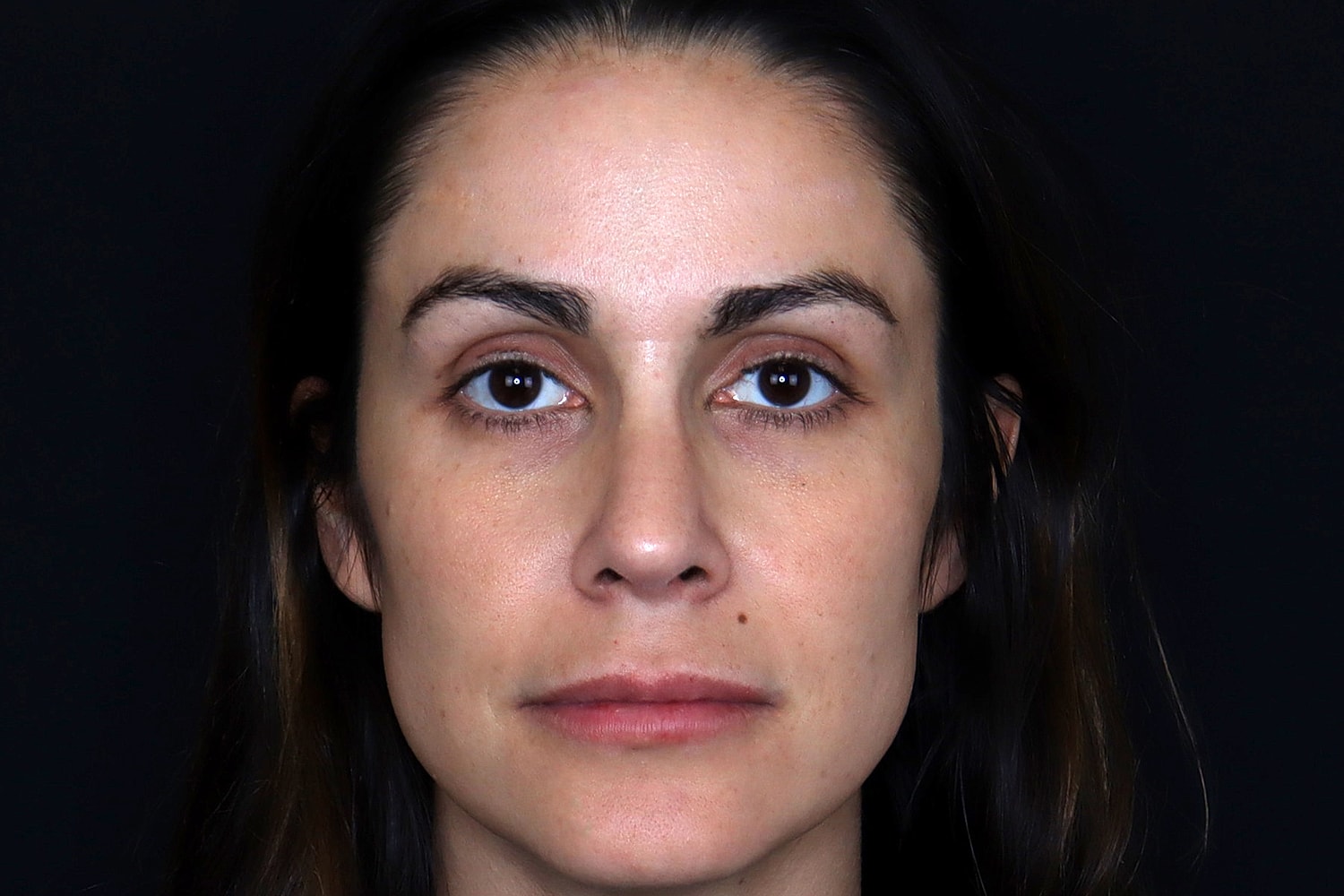
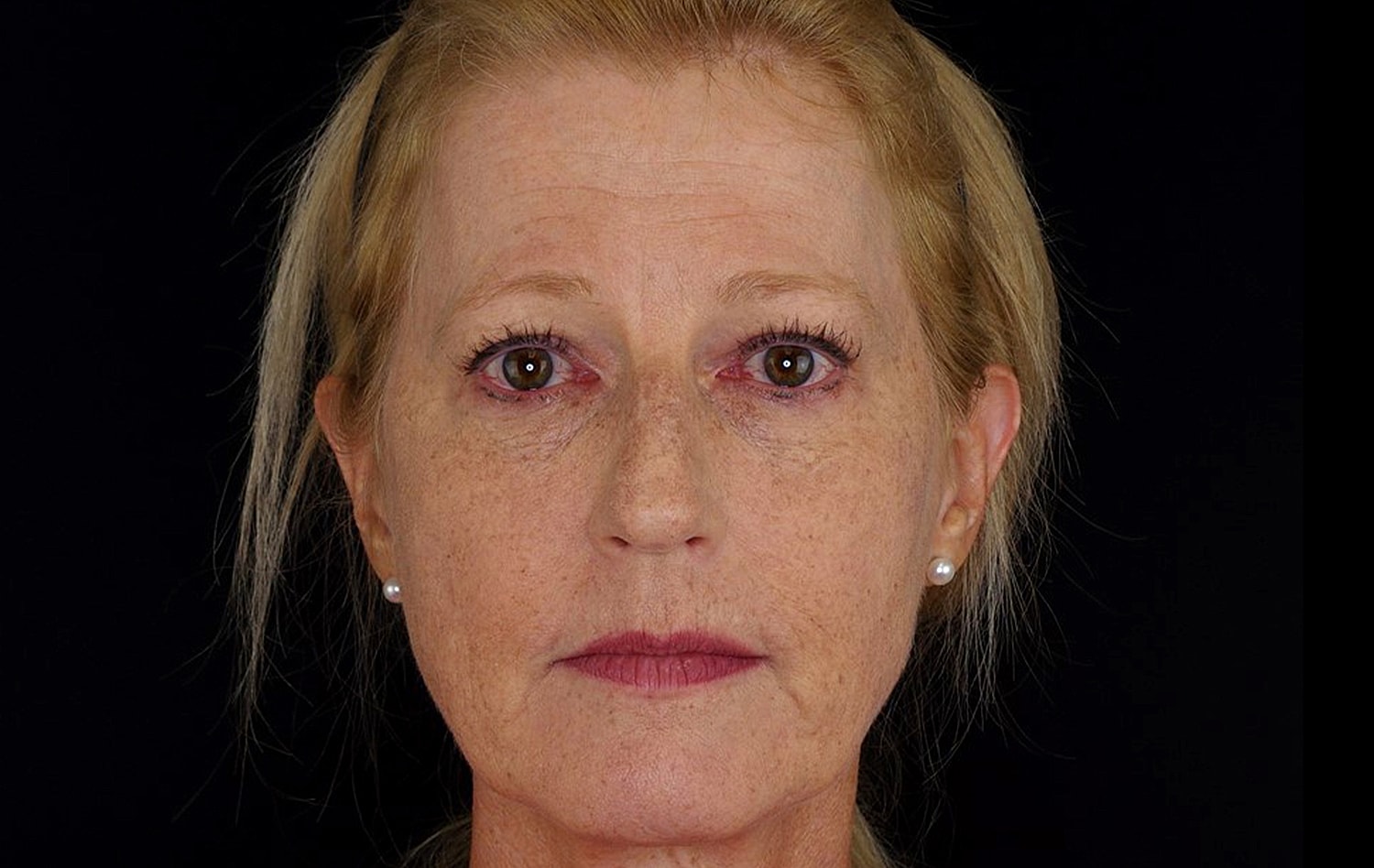
Dr. Pryor will check your health, medications, breathing issues, and any past nose injuries or surgeries. You might need to change some medications or supplements, avoid nicotine, and do some tests before surgery. Arrange for someone to drive you home and stay with you the first night. Looking at Dr. Pryor’s before-and-after photos can also help you see his work and show what results you like.results that appeal to you.
You can expect stuffiness, pressure, swelling, and some bruising in the first few days. Mild bleeding or drainage may also happen. Swelling is usually worst around day two or three, then starts to go down. Most people say the procedure is uncomfortable, but not very painful.
The external splint generally stays in place for about a week. Dr. Pryor rarely uses traditional nasal packing, although internal splints may be needed when work is performed on the septum.
Most people can return to desk jobs or school in 7 to 10 days. Bruising usually fades in 10 to 14 days, but some swelling will still be there. You’ll need to avoid exercise, heavy lifting, and anything that could bump your nose until Dr. Pryor says it’s safe.
You might need to avoid letting glasses rest on your nose for a few weeks. Sleeping with your head raised and following all aftercare instructions will help your nose heal properly.
The bridge of your nose usually settles before the tip. Sometimes, one side may look more swollen than the other, which can be worrying but is usually normal. Most swelling goes down in a few weeks, but some minor swelling can last up to a year. Revision surgeries and thicker skin may take longer to heal.
You’ll notice a difference when the splint is removed, but the nose’s final shape takes time to appear. As swelling goes down and the skin adjusts, your nose will look more defined. The results are permanent, but your face and nose will still change naturally as you age.
Risks of rhinoplasty include bleeding, infection, visible scars, changes in feeling or smell, long-lasting swelling, breathing issues, uneven results, a hole in the septum, anesthesia problems, or needing another surgery. Because rhinoplasty is a complex procedure, it’s important to choose a surgeon with the right training and experience.
Dr. Pryor is a board-certified plastic surgeon with training in general, plastic, reconstructive, aesthetic, and craniofacial surgery. After completing his plastic surgery residency through Akron General Medical Center and Summa Health System, he pursued fellowship training in pediatric and craniofacial surgery at Children’s Hospital of San Diego and UC San Diego. He later completed an aesthetic surgery and breast reconstruction fellowship at Cleveland Clinic.
Dr. Pryor’s wide-ranging experience helps him understand how appearance, support, and breathing all work together. He uses advanced imaging to plan your surgery and explains his recommendations in clear, simple language. He’ll let you know what can be changed and what’s best left as is. Dr. Pryor sees rhinoplasty patients in Boca Raton and also works with select patients in San Diego.
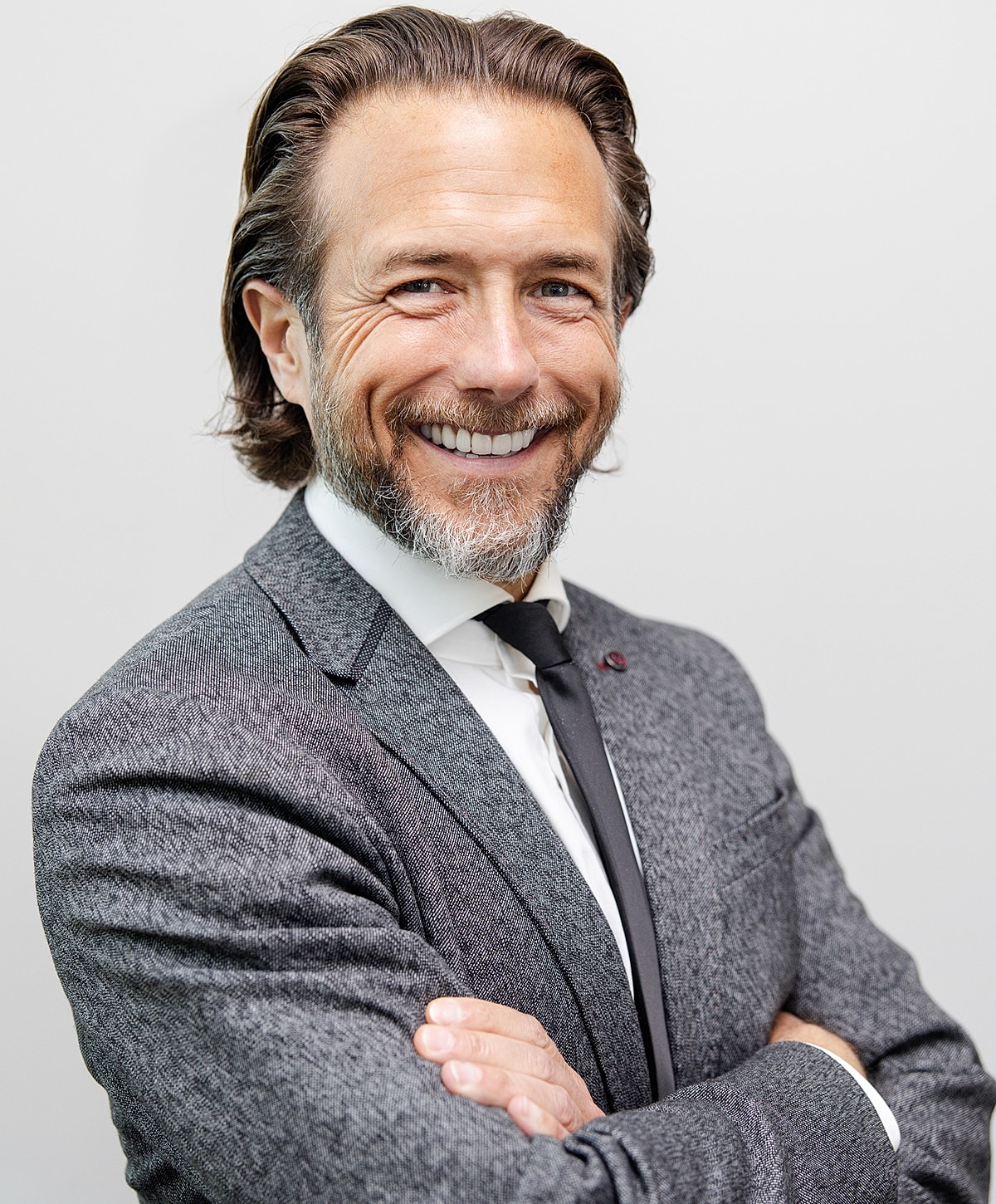
If you’re considering rhinoplasty for appearance or breathing reasons, book a consultation with Dr. Pryor in Boca Raton. You’ll be able to share your concerns, look at your options, and learn what surgery can realistically achieve.
East Coast? West Coast? No matter where you are, getting high-end care from one of the nation’s leading plastic surgeons will be worth the trip. Dr. Landon Pryor is a triple board-certified, triple fellowship-trained plastic surgeon known for surgical excellence in both aesthetic plastic surgery and as a national leader in Breast Implant Illness (BII) care and explant surgery. His aesthetic highlights include a deep structural approach to procedures like facelift, rhinoplasty, and breast contouring, aiming for natural-looking, refined, and stable results. For BII patients, he is recognized as a "Surgeon Advocate" who utilizes innovative explant techniques, such as the En Bloc Capsulectomy, and integrates holistic recovery protocols.
Patients travel from across the country to see Dr. Pryor because he is a "National Destination for Explant Surgery & Aesthetic Excellence," offering a steady presence, an evidence-first approach, and compassionate care from a highly trained surgeon who validates their symptoms and provides a safe path to restoration.
You can schedule a consultation with Dr. Pryor at the following locations:

Most patients feel pressure, congestion, and soreness rather than severe pain. Discomfort is usually most noticeable during the first few days and improves from there.
Dr. Pryor plans the new shape around your existing face. He works to avoid the pinched tip, scooped bridge, or overly rotated appearance that can make rhinoplasty obvious.
Possibly. Grafts can support the tip, bridge, or nasal airway. Cartilage usually comes from the septum, although ear or rib cartilage may be needed for a complex revision.
Glasses can put pressure on healing nasal bones. Dr. Pryor will tell you how long to keep them off the bridge based on the work performed.
Cost depends on the complexity of the surgery, anesthesia, facility fees, and whether functional or revision work is needed. You’ll receive a personalized estimate after your consultation.
Insurance generally doesn’t cover cosmetic surgery. It may cover an approved functional portion when surgery is medically necessary to correct a documented breathing problem.